
Preparing for a proper holiday means blending what you enjoy. For many of us, that’s tasty meals and a dash of adventure. At Cash or Crash Live, we think the ultimate preparation for a getaway blends anticipation with a dash of inspiration. Across the UK, a short cooking holiday gives you that wonderful getaway. You could be rolling pasta in a converted barn, gathering seaweed on a Cornish shore, or picking through spice stalls before a curry class. These trips are more than just cooking instructions. They focus on the memories you create, the scents that linger, and embracing a new tempo for a few days. And much like the careful risk and reward in a chef’s kitchen, we understand the attraction of that same thrill in a great game. So, let’s talk about planning a cooking break that sizzles, one that sets you up for proper relaxation and sends you home feeling genuinely refreshed.
Why a Foodie Break is the Ideal UK Retreat
You don’t need to board a plane for a fantastic holiday. Some of the best getaways are right here. A dedicated cooking break turns a simple weekend into something special. It’s the antithesis of a lazy beach holiday. A food holiday engages you fully. You’re learning, getting your hands dirty, tasting everything, and producing something genuine. It uses your head and your hands, leaving you with a solid sense of achievement that sticks with you. From the farm-heavy fields of the Cotswolds to the lively culinary hubs of Birmingham or Manchester, the UK is rich in gastronomic diversity. These breaks connect you directly to the source of your food. You gain a real respect for the local grower, the locally grown tomato, the old-fashioned method. It’s a complete kind of travel that feeds you properly, turning a couple of days into an adventure that reignites your interest in food.
Mental Reset Through Practical Cooking
Switching off our phones is difficult. A cooking holiday does it for you by claiming your full focus. Focusing on chopping an onion, perfecting a roux, or managing three pans at once leaves no mental space for emails or social media. That focused mindset benefits you. It lowers tension and helps your mind decompress effectively. The hands-on effort of cooking, plus the quick, delicious reward, is a effective cure for our normal screen-dominated lives.
Connecting with Local Culture and Community
Food is central to any destination’s identity. By opting for a food-focused getaway in the UK, you’re going beyond typical tourism. You’re tasting history and chatting with the people who know it. You might master the traditional technique for Yorkshire parkin, prepare smoked mackerel with a Scottish expert, or craft a cheese in a Somerset creamery. These are insights a tourist book can’t offer. This link creates a deeper connection to regions of your homeland, and it supports local businesses and sensible tourism in the most direct way possible: by eating well.
Combining One’s Culinary Adventure with Exceptional Entertainment
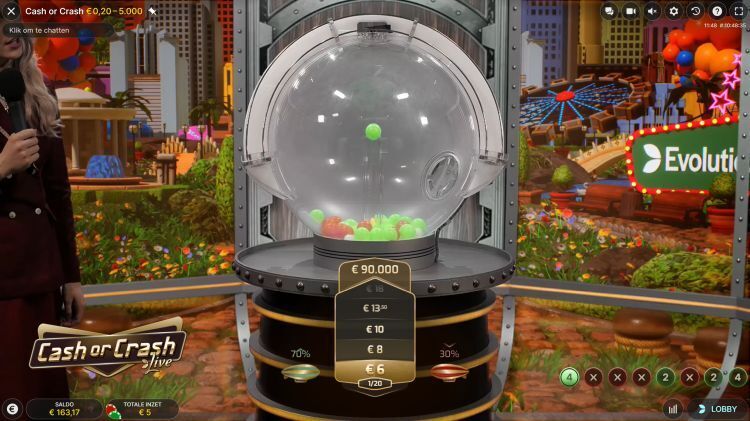
After spending a day cooking in the kitchen, the evening offers its own excitement. Similarly to a cook combines ingredients on a plate, we see the importance in balancing various types of fun. The immense gratification of making a delicious meal goes perfectly with an evening of smart, engaging entertainment. This is where the specific thrill of an interactive game show, for instance the ones at Cash or Crash Live, finds its place. This concept reflects your daily experience. It’s about getting engaged, experiencing the excitement, and the rush of a live, unscripted result. The blend of tactics and chance in our live casino environment offers a refreshing difference from the tactile, systematic satisfaction of cooking. It continues that sense of being in the moment, choosing, and savoring the experience, all from the comfort of your room after a fulfilling day. This is a modern form of unwinding, adding a burst of excitement to a culturally rich break.
Top UK Regions for a Gourmet Escape

Our islands have distinct regional larders, each with its own style for a cooking trip. The South West—Cornwall, Devon, Somerset—is ideal for seafood and dairy fans. Picture a class on crab linguine after a morning at a Newlyn auction, or a workshop where Somerset cider is the star ingredient. Up north, Yorkshire and the Lake District deliver hearty food with epic views. You could be foraging for wild garlic before a game cookery session in a stone-walled kitchen. Scotland stands alone. You can find out about sustainable scallops on the west coast, or perfect oatcake baking in a Highland bothy. For city energy, London’s mix of cultures is unbeatable, from genuine Sicilian cooking to new British cuisine. And don’t skip Northern Ireland, where Belfast’s food scene and the Causeway Coast make a stunning backdrop for a culinary day out.
The Treasures of the Coast: Cornwall and Scotland
Coastal areas give you a straight line from boat to board. In Cornwall, many schools work directly with day-boat fishermen, so the story of your dinner is as fresh as the fish. In Scottish spots like Oban or Mallaig, you might prep langoustines and mussels while looking at the sea they came from. These experiences are built on sustainability and a genuine respect for the environment.
The Heart of the Country: The Cotswolds and Yorkshire
Inland, the focus moves to field, forest, and farm. The Cotswolds, with its honey-stone villages, is all about elegant country cooking and top-quality local produce like lamb and wild mushrooms. Yorkshire’s big skies offer everything from bread-making in a draughty farmhouse to polished restaurant workshops in Harrogate, often showcasing the region’s famous meats, cheeses, and ales.
What Awaits You from a Standard Cooking Break Experience
A well-run cooking break is a thoughtfully designed journey. Your day typically begins with a coffee and a chat, discussing the menu and the origins of the ingredients. The practical part lasts three or four hours, overseen by a chef who shows you how it’s done before helping you do it yourself. The atmosphere is supportive and cheerful. No one demands perfection; the goals are fun and learning. It’s surprising how quickly a group of strangers becomes a team, chuckling over spilled flour or applauding a risen soufflé. The best part is always sitting down to eat the multi-course meal you made, with good drinks on the side. Many breaks add extra touches: a trip to a local smokery, a cheese tasting, or a guided forage. Accommodation is often included, from cosy B&Bs to posh country houses, so you enjoy the foodie life from breakfast to bedtime.
Organizing Your Cooking Holiday: A Detailed Guide
Putting together a wonderful food escape requires a touch of planning. Start by figuring out what you desire. Are you after a intensive skills course with a pro chef, or something more laid-back with lots of showcases and feasting? Your budget and how long you have will shape this. Then, consider the food itself. The UK provides it all: French patisserie classes in a city loft, Italian feasts in a rural stable, or fiery Korean street food workshops. Location is key. Do you want a quiet countryside hideaway, or a city base where you can mix a class with a show? Once you have a basic idea, delve into the details. Look over reviews, examine the tutor’s background, and find out what’s included. The good breaks supply everything: ingredients, kit, an apron, and the meal you make, often with matched drinks. Reserve early, especially for trendy spots or renowned names. The planning stage is part of the fun, building your appetite for what’s coming.
Key Packing List for Your Gourmet Adventure
Getting ready for a culinary holiday differs https://cashorcrashcasino.com/. Comfort comes first. You’ll be working for hours, so shoes with traction and cushioning are necessary. Ditch the elegant footwear behind. Don casual clothes you can stain, though a good apron is typically provided. Stash a small notebook and pencil in your bag for jotting down tips, recipes, and names of suppliers. You’ll want those notes later. The professional kit will be there, but if you’re fond of your own favorite small knife, pack it after checking with the school. Remember a camera, or ensure your phone is charged. You’ll want photos of your dishes and the setting. Finally, save room in your suitcase. You’ll probably buy regional delicacies to take home. A bottle of local cider, some artisanal chutney, or exotic seasonings are the perfect edible souvenirs, making the holiday last a little slightly extended.
Creating Permanent Impressions Beyond the Kitchen
The true value of a culinary getaway surpasses the skills you acquire. It dwells in the tales you’ll share later. The sauce you unexpectedly rescued, the person you connected with over baking, the outstanding flavor of a dish made with things you picked yourself. To cement those memories, think about documenting the trip. Snap pictures of the process, the raw ingredients, and the people, not just the final plate. Pick up recipe cards and gather brochures from nearby artisans. When you’re back, the most effortless manner to recreate it is to make one of the recipes for your loved ones, telling the tale while you dine. Furthermore, the self-belief you develop from a professional kitchen regularly stays with you after returning, changing how you cook every day. You aren’t only returning with a jar of preserves. You’re returning with a fresh perspective on cuisine, a bond with a region, and the courage to experiment, preserving a touch of that travel excitement within your personal cooking space.